
Artificial Intelligence: An Overview
Artificial intelligence (AI) is the field of computer science that aims to simulate and extend human intelligence by creating machines and systems that can reason, learn, and act intelligently. AI has been a subject of interest and research since the mid-20th century, when Alan Turing proposed the question “Can machines think?” and devised the Turing test to evaluate machine intelligence. Since then, AI has evolved and expanded into various subfields, such as machine learning, deep learning, neural networks, expert systems, knowledge base, computer vision, natural language processing, and more. AI has also produced many remarkable achievements and applications, such as defeating human champions in chess and Go, conversing with humans via chatbots and voice assistants, recognizing faces and objects in images and videos, driving cars and flying drones autonomously, and generating art and music.
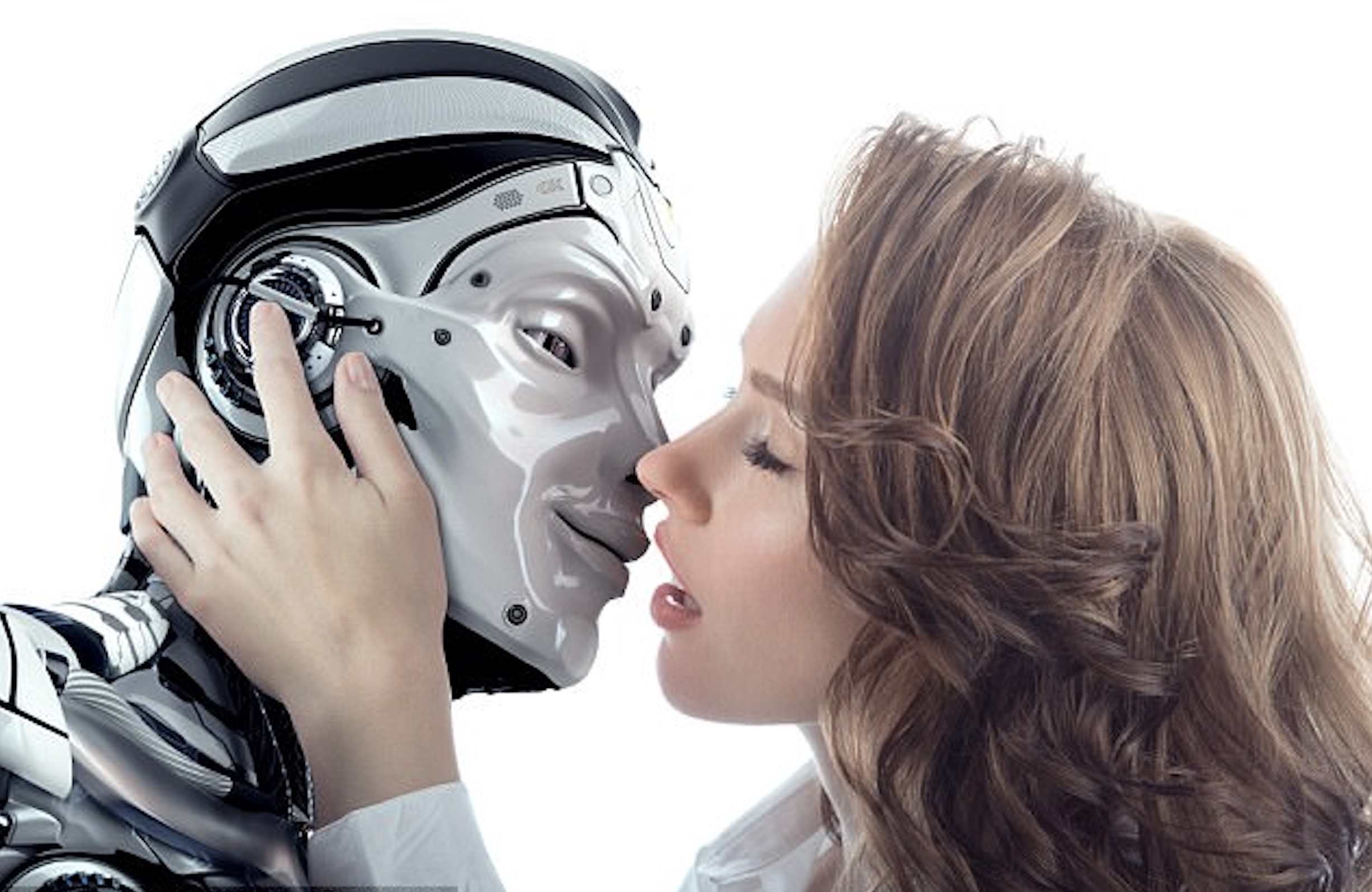
AI can be classified into two types: weak AI and strong AI. Weak AI, also known as narrow AI or artificial narrow intelligence (ANI), is the type of AI that focuses on performing specific tasks that are trained for. Weak AI powers most of the AI applications that we use today, such as Apple Siri, Amazon Alexa, IBM Watson, self-driving cars, etc. Weak AI may be more accurately described as “narrow”, because it is not weak at all; it can perform very complex and impressive tasks that may surpass human capabilities. Strong AI, on the other hand, consists of artificial general intelligence (AGI) and artificial superintelligence (ASI). Artificial general intelligence (AGI) is a theoretical form of AI that has human-like or equivalent intelligence; it has self-awareness, problem-solving, learning, and planning abilities. Artificial superintelligence (ASI), also known as superintelligence, is the type of AI that surpasses human intelligence and capabilities in every aspect. Although strong AI is still entirely in the realm of theory and has no practical examples yet, this does not mean that AI researchers are not exploring its development. Meanwhile, the best examples of ASI may come from fictional characters in science fiction, such as HAL, Superman, and the rogue computer assistant in 2001: A Space Odyssey.
As AI technology and applications continue to grow rapidly, analysts have started to predict that many jobs that are currently done by humans will be replaced by intelligent machines and tools in the future. For example, autonomous vehicles and drones have already started to play a role in logistics and transportation. People have begun to worry that they will lose their jobs someday because of AI. However, if we take an optimistic view of AI development, there is no need to worry about losing jobs. If machines can completely replace human labor, then we will be able to legally restore slavery. At that time, the ideal society of “from each according to his ability, to each according to his needs” will become a reality.
Keywords: artificial intelligence, machine learning, deep learning, algorithm, computer vision, neural networks, natural language processing, knowledge base, expert systems
更多文章请关注《万象专栏》
转载请注明出处:https://www.wanxiangsucai.com/read/cv179808